


Social media challenges have taken the internet by storm. From dance trends on TikTok to viral hashtag campaigns on Instagram, users worldwide can’t seem to resist joining in.
But why do these challenges spread so quickly, and what makes them so irresistible?
Insights from Punsify’s research on viral online trends reveal the psychology behind participation and why these challenges dominate digital engagement.
Understanding this phenomenon helps content creators, marketers, and social media managers design campaigns that attract attention and maximize engagement.
While psychology explains why we join challenges, humor is often the vehicle that carries them. Explore our collection of Social Media Jokes to see the kind of witty content that fuels viral interactions.
The Psychology Behind Viral Challenges
Social media challenges succeed because they tap into human psychology. Participating allows users to feel included, showcase creativity, and connect with communities. Key factors include:
- Social proof: People are more likely to join if they see friends or influencers participating.
- FOMO (Fear of Missing Out): Trending challenges create urgency to join before they fade.
- Self-expression: Challenges provide a platform to demonstrate personality and creativity.
- Reward and recognition: Likes, comments, and shares act as social rewards, reinforcing participation.
When these factors combine, challenges spread rapidly across platforms, generating engagement, visibility, and sometimes even mainstream media attention.
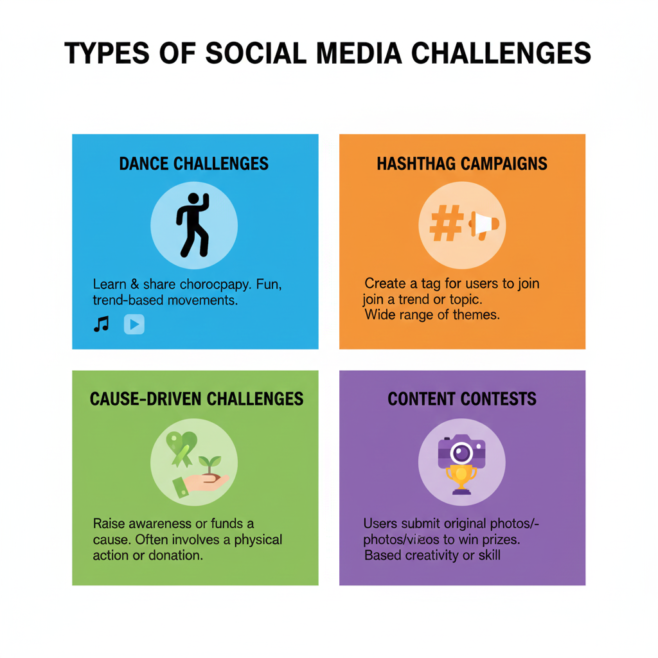
Types of Viral Social Media Challenges
Different challenges appeal to different audiences:
- Dance challenges: Short choreographed routines shared on TikTok, Instagram Reels, and YouTube Shorts.
- Hashtag campaigns: Creative posts around trending hashtags that encourage participation.
- Cause-driven challenges: Campaigns like fundraising or awareness challenges that combine fun with social good.
- User-generated content contests: Brands encouraging creative submissions for prizes or recognition.
Each type leverages community behavior differently, but all rely on shareability and relatability.
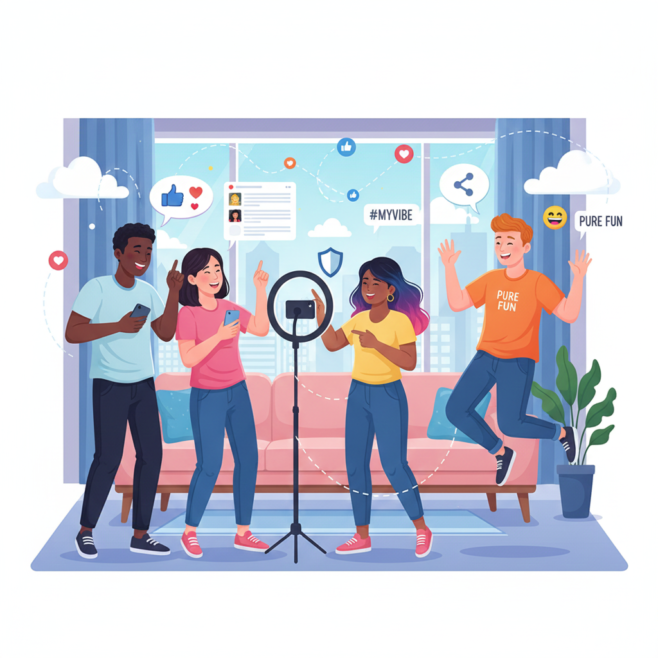
Why People Participate
Users engage with challenges for psychological and social reasons:
- Connection: Participating helps users feel part of a global community.
- Entertainment: Challenges are fun, providing short bursts of enjoyment.
- Identity signaling: Users showcase creativity, humor, or skill, which enhances social identity.
- Virality appeal: Joining a trend increases the chance of being seen or going viral.
These motivations drive participation across demographics, making challenges a universal phenomenon in digital culture.
How Challenges Benefit Brands and Content Creators
Social media challenges are not just fun—they’re powerful marketing tools. Brands and creators leverage them to:
- Increase engagement: Viral challenges generate likes, shares, and comments.
- Boost visibility: Participants create organic content that spreads the brand message.
- Foster community: Users who participate feel connected to the brand or creator.
- Drive traffic: Trendy challenges can lead to higher website visits or app downloads.
Well-designed challenges can even create lasting online communities and loyal followers.
Crafting a Successful Social Media Challenge
To design a challenge that goes viral:
- Make it easy to participate: Simple, clear instructions encourage mass participation.
- Tie it to emotion or humor: Emotional connection or funny content drives sharing.
- Leverage influencers: Early participation by influencers accelerates reach.
- Create a recognizable hashtag: Helps users track and join the trend.
- Encourage creativity: Allow users to add personal flair, making content more shareable.
Combining these elements increases the likelihood that a challenge will gain traction and spread rapidly.

SEO and Engagement Advantages
Challenges also have SEO and content marketing benefits:
- High engagement: Shared content increases dwell time and signals quality to search engines.
- Natural backlinks: Participants and media often link back to the original challenge.
- Content variety: Videos, images, and posts around a challenge boost overall site content diversity.
Linking from DailyTrust to Punsify with insights on viral trends also passes valuable SEO authority to your main post.
Ethical Considerations
While viral challenges are exciting, creators must be responsible:
- Avoid dangerous or harmful challenges.
- Respect cultural sensitivities.
- Ensure inclusivity to prevent alienating audiences.
Ethical campaigns maintain credibility, reduce backlash, and ensure long-term brand trust.
Long-Term Impact of Social Media Challenges
- Community building: Challenges create active, engaged communities.
- Trendsetting authority: Early participation in viral trends positions brands and creators as trend leaders.
- Content longevity: Memorable challenges continue to be shared, keeping content relevant.
By understanding why people participate and designing responsible, engaging campaigns, creators can maximize both engagement and visibility.
Why Everyone Joins In: FAQs About the Rise of Social Media Challenges
Explore why social media challenges spread so fast and why users feel drawn to join in, share, and participate in viral trends across platforms.
What is a social media challenge?
A social media challenge is a trend where people do the same task, action, or idea and share it online.
Why do social media challenges spread so fast?
They spread fast because they’re fun, simple, and easy to copy. One video sparks another, and off it goes.
Why do people feel tempted to join challenges?
People enjoy being part of something popular. It feels good to join the crowd and not miss out.
Do challenges help people feel connected?
Yes. When many users do the same thing, it creates a shared moment and a sense of belonging.
Are social media challenges mostly harmless?
Many are harmless and playful, but some can be risky if people push limits for attention.
Why do influencers play a big role in challenges?
When influencers join, their followers notice and copy them, which fuels the trend.
How does peer pressure affect participation?
Seeing friends take part can nudge others to join, even if they feel unsure at first.
Do challenges boost social media engagement?
Yes. Likes, comments, and shares often jump during challenges, which keeps users hooked.
Why are short videos perfect for challenges?
Short videos grab attention quickly and are easy to watch, remake, and share.
Are challenges designed to be easy on purpose?
Most are simple so anyone can join without special skills or tools.
Do hashtags help challenges grow?
Hashtags group posts together, making challenges easy to find and follow.
Why do people enjoy tagging friends in challenges?
Tagging friends feels playful and personal, and it pulls more people into the trend.
Are challenges a form of self-expression?
Yes. Users add their own twist, style, or humor, which makes participation feel personal.
Why do brands create social media challenges?
Brands use challenges to reach more people and encourage user-made content.
Can challenges improve creativity?
Many users enjoy thinking of fresh ways to stand out while following the same idea.
Why do some challenges fade quickly?
Once people get bored or a new trend pops up, attention shifts fast.
Do algorithms affect challenge popularity?
Yes. Platforms often push trending content, which helps challenges spread wider.
Are age groups influenced differently by challenges?
Younger users tend to join faster, but challenges reach all ages depending on the trend.
Why do people rewatch challenge videos?
They’re entertaining, familiar, and often funny, which makes them easy to enjoy again.
Will social media challenges keep growing?
As long as people enjoy sharing, copying, and connecting online, challenges aren’t going away anytime soon.
Conclusion
Social media challenges are more than entertainment—they are powerful tools for engagement, brand growth, and online visibility.
By tapping into psychology, community, and shareable content, challenges dominate digital spaces.